
What Inspired Ethos of Athena
People ask where the content in Ethos of Athena comes from. The honest answer is that it is a lifetime of observation, being coached, breaking down, rebuilding, coaching others, studying leaders, raising children, building clubs and businesses, and watching young people reveal what is really inside them when pressure hits.
This is not a theory I picked up from the outside. It is work I have been living, testing, failing with, and refining for most of my life.
It started with a coach when I was nine
My first real experience with character coaching came from a basketball coach I had from ages 9 to 11. Sigvaldi Ingimundarsson was not the most knowledgeable basketball mind, but he understood something more important. He coached us with principles — respect each other, respect yourself, follow the rules, hold yourself to a standard — and he genuinely cared.
I came from a broken home, and what he gave us was different from what we had everywhere else. There was structure. There was care. There was someone demanding something from us because he believed we were worth it.
I have spent the rest of my life trying to understand what he gave us, and how to give it to others. That was the first seed.
The coach who put character before winning
At seventeen, I went to high school in the United States. I was a promising player with real ambitions, but in the U.S, I started studying coaching seriously, just by watching.
Coach Randy Norton, my high school coach, put character first. I will never forget him benching his best player for breaking team rules in games that mattered. The message was clear: we win the right way, or we lose the right way.
That confirmed something in me. Character is not decoration. It is not what you talk about when everything is easy. It must sit above results, talent, and ego; it is just a slogan.
Then life tested the theory
Around twenty, the wheels came off. Childhood trauma resurfaced. Anxiety. Panic attacks. Dyslexia. Big dreams, not enough tools.
For two years, I had severe anxiety and full-blown panic attacks. Thirty years ago, anxiety was barely part of the conversation. I bounced from one psychologist to another until I found someone who actually gave me tools.
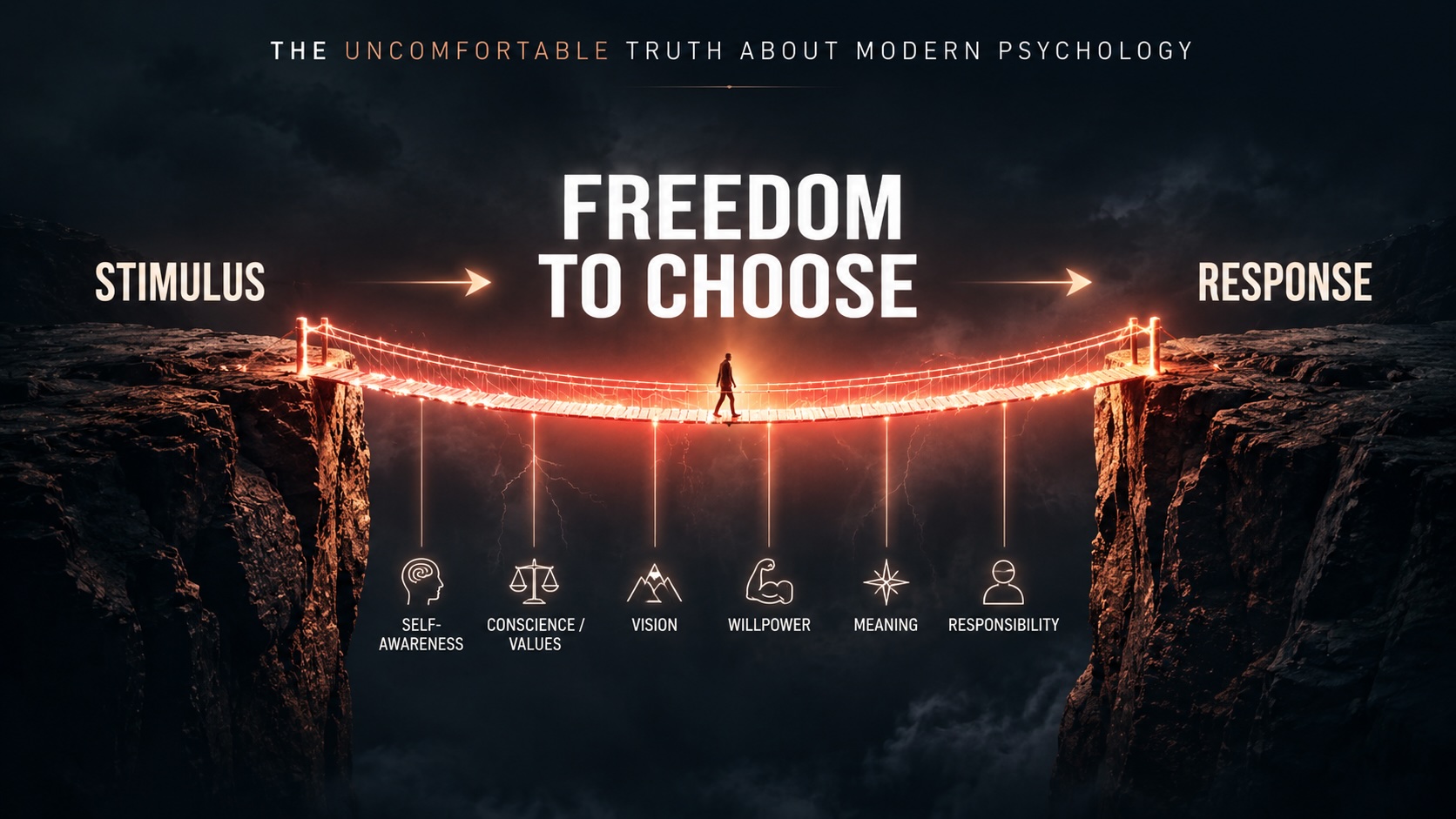
The tools were not exotic. They were principles. Take responsibility. Think your way through. Set goals. Begin with the end in mind. Prioritize what matters. Build win-win relationships. Develop emotional understanding and control. Empathy & humility. Learn from mistakes. Work at it again and again.
Those ideas pulled me out of one of the darkest periods of my life. And I realized something important: the same principles that build great, well-rounded athletes are the ones that build stronger human beings. This is not just about performance. It is about building people who can handle life.
My accidental education in coaching
At twenty-four, I started my first company, Sideline Sports, a sports company where I became a consultant to sports clubs. I did not know it then, but it became one of the most valuable educations of my life.
I sat across from coaches every day at every level where they shared with me their entire coaching philosophy and began to see patterns. Some had principles. Some did not. Some understood people and themselves. Some only understood drills. Some could build culture. Others could only organize practice.
After a while, I could often tell quite quickly who would succeed and who would not, because the same patterns kept showing up. Thirty years later, I have watched those predictions play out. It turned me into a coach profiler without my noticing.
Coaching is never just about knowledge. Leadership is never just about position. Performance is never just about talent. What sits underneath matters more.
The mentors who never knew they were mentors
Some of the coaches I was supposed to be consulting became my mentors — without ever knowing it. They revealed wisdom through how they thought, how they led, and how they built people.
The more I listened, the more I realized this was not really about basketball. Basketball was just the laboratory. The deeper subject was character.
How do you build strong people? How do you teach responsibility? How do you help someone handle failure? How do you demand more without crushing them? How do you build trust, courage, humility, toughness, discipline, and purpose?
Those questions became central to my life. And central to the ethos of Athena.
Key Habits and the leadership layer
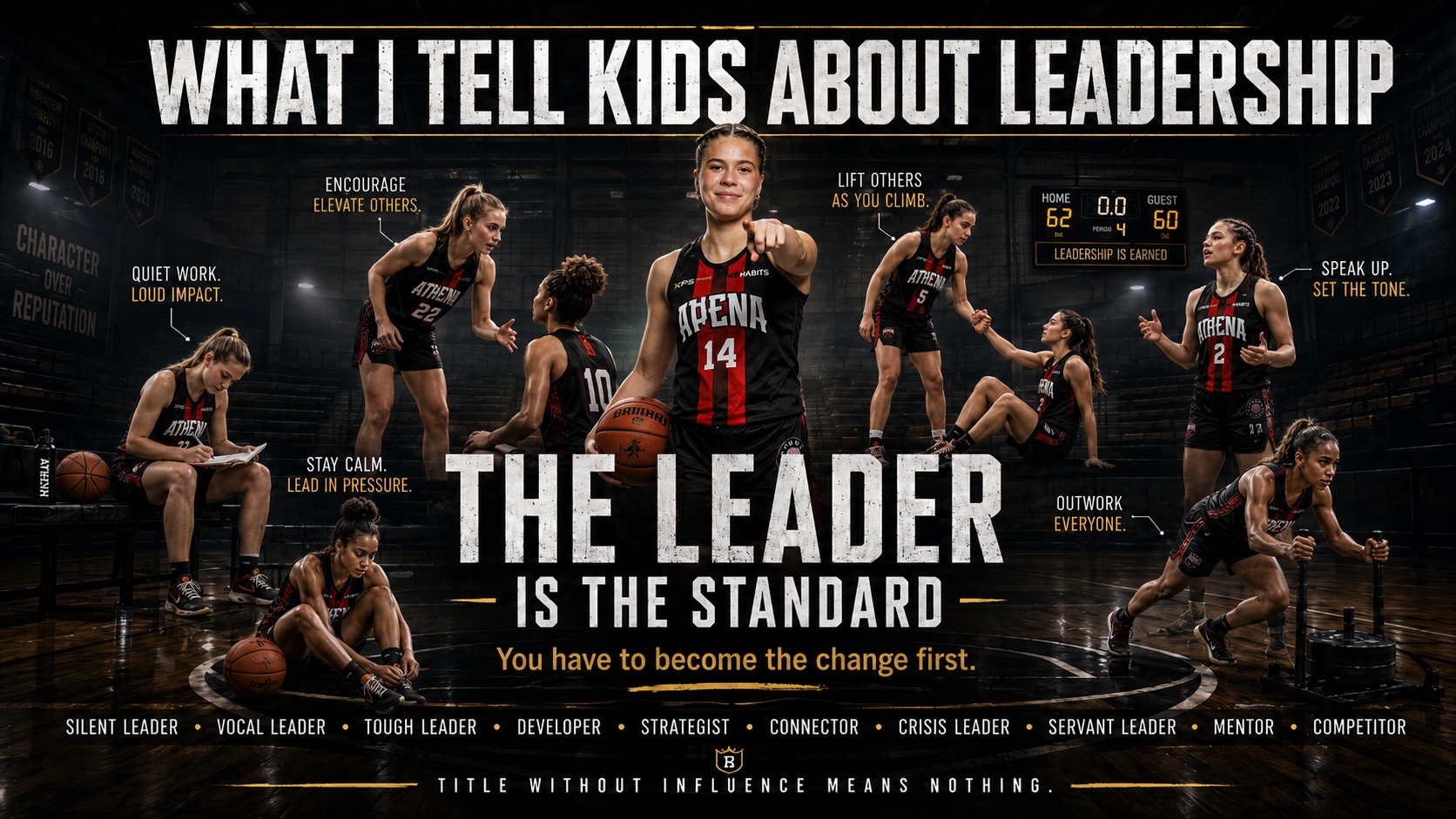
All of this eventually led me to build Key Habits, my leadership program for coaches, business leaders, parents, and anyone who wears the captain’s band.
Key Habits forced me to take these ideas out of my head and make them usable. It is one thing to believe in character. It is another to teach it, structure it, and turn it into action.
I did not want vague motivation. I wanted tools. Questions. Systems. Habits. Standards. Because ambitious people do not need more empty inspiration. They need a way to build themselves.
Athena became the testing ground
From 2005 to 2010, I ran a basketball academy and took the first real steps toward systematizing my philosophy and creating a real testing ground. But in 2019, Athena became the real battle.
That’s also when I started coaching my own children. Coaching your own children is hard because you cannot hide behind theory. You either live it, or your kids see straight through you.
Athena forced the philosophy to become practical — to hold up against real kids, real pressure, real losses, real conflicts, and real consequences. It could not just sound good. It had to hold. That is where a lot of the Ethos of Athena content was sharpened.
The Raise the Bar girls
One of the strongest confirmations of this work came through my daughter’s team, the girls featured in the documentary Raise the Bar. They had been receiving character coaching from the age of eight. When my daughter was twelve, that team produced the most extraordinary moment of my coaching career. I leave it up to you to go to YouTube and watch it.
What came out of them under pressure is hard to explain. You have to see it.
But it confirmed something I already believed: character training works. Not perfectly. Not overnight. But when you work on it consistently — when you demand responsibility, build trust, and teach young people to think, speak, stand up, and act with courage — something changes. And when pressure comes, you see it.
What the content is really built from
So when people ask what inspired Ethos of Athena:
It is the coach who made a broken-home kid feel seen. The high school coach who benched his best player because standards mattered more than winning. My own anxiety, and the principles that helped me rebuild. Thirty years of watching coaches, leaders, parents, and young people reveal what they are really made of. Mentors who never knew they were mentors. Key Habits, and the attempt to turn leadership and character into something practical. Athena, where these ideas had to survive real life. And the Raise the Bar girls, who showed me that young people are capable of far more courage and strength than most adults demand from them.
Not hype. Not theory. Not motivational noise.
Lived experience. Tested principles. Hard questions. Real standards. Tools that hold under pressure.
That is what inspired the Ethos of Athena.